Thursday, August 27, 2009

Kebablogging

Right. So, I went to Turkey, where I found myself too busy to blog in both Norwegian and English. Now I have returned, cursed with the task of preparing a selection of a decent number of see-worthy photos for you, from a pile of about four thousand.

I'll get it done, Imshallah, but it will take a while. To prevent you from forgetting all about me, I'll translate some of my blog entries into English and publish them here while you, Imshallah, wait for the photos. Here we go:

In Istanbul
I'm here! Right on the border between Europe and Asia, so far away from home that the keyboards don't even have commas on them, and there's a ç where the period is supposed to be. This will take some getting used to!

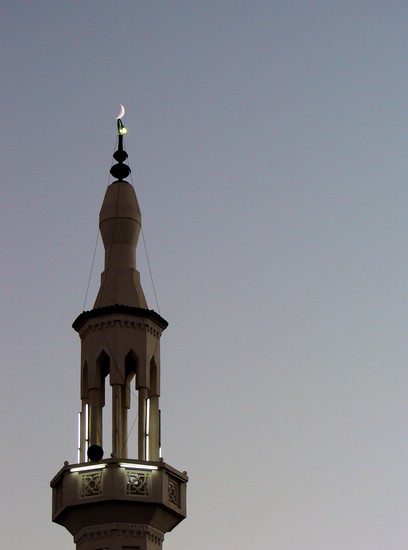
From inside the Blue Mosque
The flight here was just fıne. (Rats! I just noticed that where there should have been an i, there's an ı! What a country!) Turkish Airlines fortunately continues to have experienced only 13 major accidents in recent years. Even the food was fairly good, although the card that came with the meal worried me slightly:

"We hope that taste in your mouth will last after your journey."

I was eager to learn how they intended to attempt terminating my taste buds. But they didn't even try, as it turned out.

Another noteworthy moment during the flight was when a father who apparently never studied physics was challenged by his young son to explain how the plane would get airborne. "Well," he said, "the pilot makes the plane go really, really fast, and at the end of the runway there's a bump. When we hit it, we just fly upwards. When we need to get down again, the pilot will put on the brakes, and then we descend". Well done! Almost on par with the theory that birds of passage fly in formation to avoid shitting on each other. (Of course, everyone knows that they do it because their trip is a long one, so each bird can only remember part of the directions they have to follow. The bird in front at any time will be the one responsible for remembering the area they're flying through. Clever birds!)

I'm beginning to come to terms with the language. More and more obvious heritage from the Norwegian language appears. A small boat is called a "sharkı", just like at home. "Who?" is "kim?", like in Norway and in Portugal. Unfortunately, the Turks must have misunderstood when the Vikings who came here said "Ghastly!" when they first saw Persian rugs. "Güsel" actually means "nice" in Turkish.

Oh, yes, the Vikings used to go to Istanbul all the time. They called it "Miklagard", "Big city". You can still see their influence in Hagia Sophia, a massive rat's nest of a retired cathedral in the middle of the Old Town. "Halvdan something something did something" can be read in ancient Viking runes on a banister in the building. There's lots of other graffiti too, all between five minutes and 1500 years old. Quite impressive, really. They've preserved even that.

Anyway, I think that of all cities I have visited with more than ten million citizens, Istanbul may very well be the friendliest and the least busy one. The only sad sight I have encountered yet turned out to be just funny after all. As I wandered the quiet streets of the city last night, I came upon a policemen that appeared to be about to shoot a cat. Just as I realized this, I discovered that what was actually going on was that he was bored. To amuse himself, he played with the cat by using the laser sight on his gun to make it run around on and chase the light spot.

Cat in the spotlight
However, I'm already fed up with the shoe polishers in the streets here. I walk around wearing my Doctor Livingstone hat, so that everyone obviously considers me to be the most stupid and gullible tourist around. So when a shoe polisher passes me on the street, he will pretend that he drops one of his brushes without noticing it. Any polite tourist will of course pick it up and go after him and hand the brush back over to him. Then the guy will say, "Oh, isn't that kind of you! I shall give you a free shoeshine for that!", which after a while presumably turns into a job that you will pay for anyway, I suppose. So now I've started picking up the brush and throw it onto a nearby roof instead. That really pisses them off! No, of course I don't. But I have started hiding the brush in my backpack or under my t-shirt and pretend like nothing has happened. This puzzles them to no end, until finally I can't hold back my laughter, and I return the brush to the guy. Then he will also laugh, so I think it's okay.

I might hang around Istanbul for a couple of days, but I will soon have to find somewhere smaller. Preferable somewhere with great scenery and hiking nearby.

I'll see you there!

Bjørn

Wednesday, July 22, 2009

Superhero in Turkey

As we say in Turkey: Merhaba!

To my great surprise I discovered that I was getting dangerously close to having nothing to do, and the weather forecast for the mountains in Norway where I'd like to go hiking wasn't looking good either. So there was only one thing to do, and I did it.

On Thursday I'll go to Istanbul, a major city, yet not the capital, in the homeland of Santa Claus. What I'm going to do there exactly is in the blue for now, but my travel philosophy is that what I don't know will probably benefit me. Maybe I'll just do a tour of places with intriguing names. If so, Batman in south-eastern Turkey is most likely to be on my itinerary!

The tourist-infested parts of Turkey are mighty warm right now, so to find a more accommodating climate I'll probably seek out elevated places. Turkey has mountains in all sizes up to and beyond 5000 metres of height, so I'm sure I'll find somewhere that suits me.

To prepare for my trip, which I have planned for hours now, I have learned not to draw cartoons, and I've made some feeble attempts at learning Turkish. It's not easy! The only word in that language that I have yet found to be anywhere near anything in other languages is "greyfurt". And even that's not very close to grapefruit, come to think of it.

Still, I'm pretty sure I'll be fine. If so, I'll be back in Norway by the end of August.

Güle güle!

Ayıgiller / Bear / Bjørn

Wednesday, July 15, 2009

Cold and sunny

After having suffered through a long week with temperatures around 30 degrees centigrades, further amplified by having some Polish construction workers wrapping my house in some kind of tin foil, I decided to travel north at least until wearing a jumper would be necessary.

As it happens, a jumper was required just as I came to Brønnøysund, where I am fortunate enough to have parents I can visit. So I did. To keep them alive and healthy (although they may suspect otherwise), I forced them to go on hikes in the wild pretty much every day.

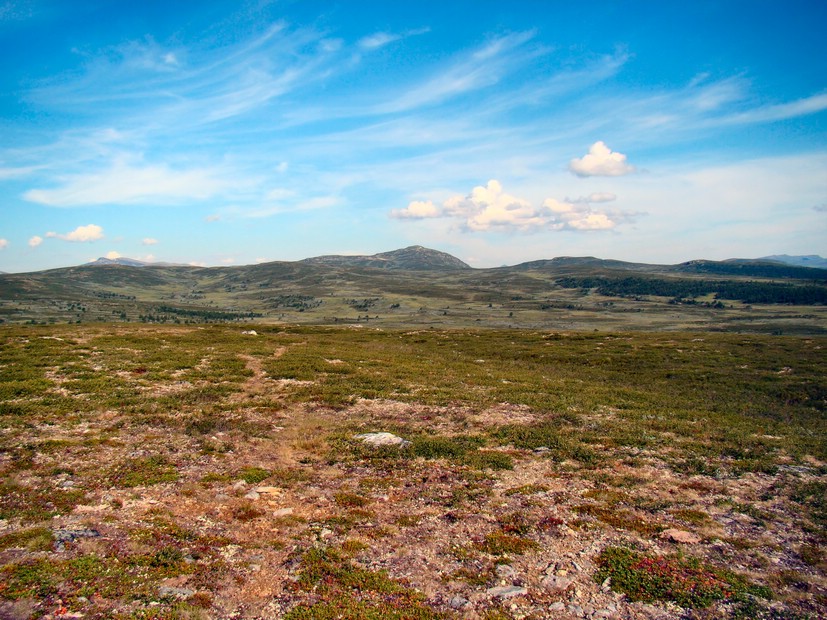
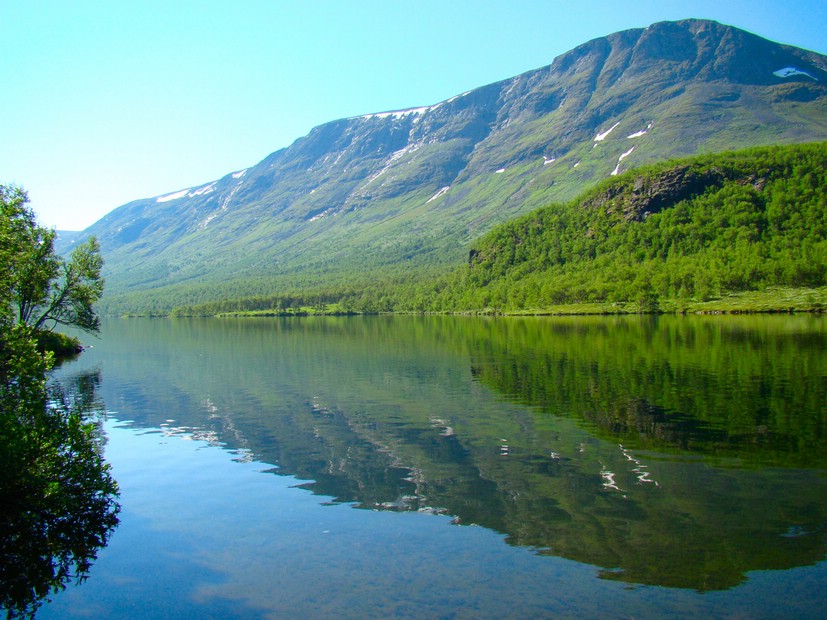
The result is a number of photos, mainly from the mountains of Northern Norway. These mountains are lower than they may look like in the photos. Trees don't climb very high up the hills of Northern Norway. But they do look nice!

I have a month of summer vacation left, but I still don't know what to spend it on. Turkey is high on my list, but so are the temperatures there and the price of flights to the country. I'm probably better off waiting a bit before going. And if there's anything I've got more than enough of, apart from chocolate, navel fluff (although not as bad as this guy), cat fur on the underside of my sofa, a clean conscience, money and vaccines, it's time!

Now I'll just have to find something useful and/or fun to do in the meantime...

Tuesday, June 23, 2009

On Long Walks

Ok, ok, I confess that I spent most of my formative years sitting in front of a computer instead of exploring the outdoors. For the last decade or so, though, I have tried to make up for that. I have done several long hikes in Patagonia, Himalaya, Tasmania, back home in Norway and elsewhere. By now I feel qualified to offer you some advice regarding surviving a long walk in the woods. Sort of.

Oh, and before we continue: When I say "a long walk", I'm talking about multi-day walks with few or none man-made facilities around to help you. Well, apart from what you can carry on your own back and possibly a trail, that is.

Why on Earth?!
Most people are happy to walk a bit to see a particular place or to enjoy a great view. As long as the walk isn't too long, at least. All the recent fuzz about climate change and the need to be eco-friendly has made people want to return to Nature. They just don't necessarily want to do it on foot.

In principle there's no big difference between a short and a long walk in the wild. You get on the trail, you do your best to stay on it until you reach the end of it, and then you're done. In people's minds, however, there's something intimidating about long walks. They are perceived to carry a much larger risk than short walks, although you rarely get an explanation for why people feel that way.

Maybe the phenomenon can be explained like this: Say you take a nice, wide board and lay it down on the floor so that anyone easily can move back and forth on it. That's a short walk. Then you place the same board high up in the air between two towers. Now most people I know will be reluctant to go out on it. This is a long walk. The board is the same in both cases, but as the consequences of falling off the board become more dire, people's willingness to walk across the board decreases dramatically. This mental mechanism kicks in no matter how unlikely it is that you actually will fall off the board.

It's a bit like if you were invited to eat at a restaurant. "Yay!", you think at first. Then it turns out that the restaurant you're invited to is an Helvanian one. You've never been subject to Helvanian cuisine before, and the menu is printed in letters and a language you just cant't read. You know that you will be served food, but since you don't know exactly what you will be eating or how it has been prepared, you end up feeling a bit wary and insecure. Suddenly going for a Big Mac instead doesn't sound so bad, even though deep inside you know that if you just dare to go ahead with the Helvanian place, you'll probably end up with a nicer meal than at the American embassy beneath the golden arches.

Oh well. Enough metaphors. Let's establish a few good reasons for taking long walks.

For the view?
If you're into great scenery, long walks tend to offer a lot of that. In many cases you can enjoy splendid views from or very close to a parking lot, but to really appreciate a place, you should see it from more angles than the one you get from next to the souvenir stalls.

On the other hand, the quality of a scenic view often depends heavily on the weather. And what conditions you will experience when you arrive somewhere can rarely be guaranteed when you have to start walking days earlier.

I'd say that the view you may or may not enjoy on your trip should probably not be your main reason for taking a long walk.

For the vanity?
I once did an 11 day walk (the Jotunheimen Trail of about 350 kilometres), and I made a photojournal from the trip that I uploaded to my Web site. A few days later I logged a crazy number of Japanese visitors. It turned out that a Japanese weightloss Web site used my before-and-after self-portraits from the trip as "proof" that going for a walk is a good thing to do if you're a bit on the chubby side.

Now, I wasn't particularly flattered by that, but I was amused. #8D)

Anyway, going for a long walk will make you a slimmer person. When you walk all day, you can eat as much chocolate as you could possibly want without suffering from it weight-wise. More importantly, walking in the wild is what your genes want you to do. Unless you overdo it, there's a good chance that after a long walk you'll end up looking a lot healthier. (Never mind that when you return home you may prefer to carry a pillow with you to put between your boney ass and any hard seats.)

As long as you can avoid being eaten by animals and falling off cliffs, walking will benefit your health and your appearance. This is a good reason for going on long walks.

For the company?
On many long walks you will spend your evenings at designated camp sites, where you may or may not encounter other hikers. On other walks days may pass between each time you actually see another human being.

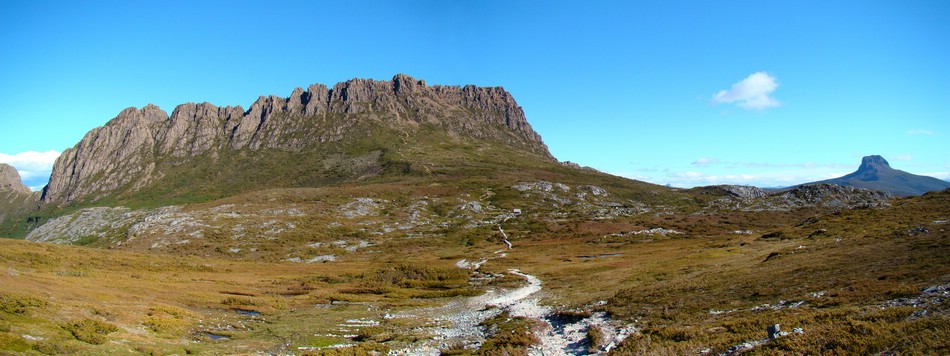
If you're on popular trails with designated camp sites, like the Overland Track in Tasmania, the Jotunheimen Trail in Norway and the Appalachian Trail in the USA, you'll probably see the same people again and again, throughout the day and at the camp sites in the evenings.

I'm not saying that these people are particularly interesting, but they are likely to have a lot in common with you. This will at least make them interesting to you, and vice versa. You'll be amazed by how quickly strangers can turn into good friends when you share the challenge of a long walk with them. They will help and motivate you, and you them. True, some of them will annoy you, and they will all be smelly. Still, all in all you'll appreciate having other people around, and you will learn something from having met them.

On the other hand, there are many long walks where you must be prepared to spend day after day without anyone at all to talk to or be helped by. This can be difficult to handle.

Make sure you're prepared for the situation that your walk is likely to bring, whether this means sharing a dorm with the German national snoring team, or having to spend a week or more without a single intellectually stimulating conversation. Life on the trail can be pretty hard either way.


For the lack of alternatives?
Sometimes there's just one way to get somewhere, and that's by walking, possibly for days and days before it gets really interesting. In particular this goes for mountain regions where roads just can't be built, and where sitting on a horse or a donkey would simply be too scary.

Clearly, unless you're ready to walk a long way, you will deny yourself some of the greatest scenery on Earth. I think you're better off treating yourself to some of those places.


For the enlightenment?
Few people know what they are capable of. They just assume that any strenuous activity that they have never tried or wanted to do is something they simply cannot do.

Every now and then the news media bring reports of people who have to flee their homes. In Palestine, Afghanistan, Sudan and elsewhere, thousands of often undernourished refugees walk through deserts, jungles and generally the most hostile surroundings you can imagine, to reach relative safety.

Let's hope that you will never fully understand what these individuals experience. But one of the things their suffering can teach us is that the human body is one impressive machine. The same way you would take your imaginary sports car for a spin on a race course to see what it's good for, you should consider exploring the abilities of your own body. Chances are that you'll be pleasantly impressed. You'll probably discover that you can participate in a much wider range of activities than you previously thought possible.

Oh, and there's of course also some satisfaction to be had from having completed a walk that is so long that the route you followed can be pointed out from Outer Space. #8D)

As you may gather, I consider this to be a major reason for pushing yourself to do a long walk or two.


Preparing
Right, so you've decided you'll do a long walk. Then there's something you should know: In Nature there are no punishments or rewards, only consequences. So you have better prepare well for your walk, in order for you to harvest only desirable consequences.

I suggest that you seek inspiration in the first step that is taken by members of Alcoholics Anonymous when they try to resolve their situation: Admit to yourself that you have a problem! Do not belittle the challenge of getting through your walk alive. You have to take it very, very seriously.

Read all you can find about your walk, on-line and in magazines and books. Anything written by anyone who has done the walk is useful. The more recently they did it, the more valuable their information is likely to be to you. What will the weather be like and how does it affect walking the trail? Which parts of the walk are more difficult and for what reason? Is chocolate available somewhere along the way?

The same way you must know how to interpret the behaviour of your own mind and your own body, you need to know your opponent; the walk itself and the land it passes through.

Equipment
I'm not going to tell you what to bring. All I can say is that you must bring whatever you need in order to feel comfortable and safe on your hike. This clearly varies depending on where and when you're hiking and for how long you'll stay on the trail.

In my opinion, people tend to over-invest in new equipment when they're about to embark on long walks. Of course, if buying some new stuff is what it takes to make you feel safe enough to get going, then that's probably what you should do. But keep in mind that unless you're doing a really extreme hike, people managed to do "your walk" even before the invention of things like Gore-Tex, GPS and the steam engine...


Packing
When you've decided what you need to bring, put it all into your backpack. If it fits, great! If not, throw away stuff until it does. Now take the backpack for a test walk in terrain similar to what you will encounter on your trip. Don't forget to also carry as much water as you will have to on your real hike. Walk for two hours. Remove your backpack.

If this results in the notion that you should hold on to something in order not to float up into the air and disappear, your backpack is too heavy! (And it probably is.) In that case you will have to get rid of some things. Do not bring books (you'll be too tired to read them) and do not bring more than two changes of clothes. (It will all be filthy and smelly after a couple of days on the trail anyway.)

Do not begin your hike until you are confident that you will be able to carry your stuff all the way to your destination. Just don't. It's not like you have to remove your appendix or have your hair cut, but you have to make an effort to get rid of all weight that takes more than it gives.


Maps
Choose maps that cover your trip and not too much else. Maps have size and weight, too. Carry only exactly the maps you need, and make sure you know how to use them. In many areas a map is no good unless you also bring a compass. GPS devices are often useless on long walks, since there will be little or no electricity available along the way.

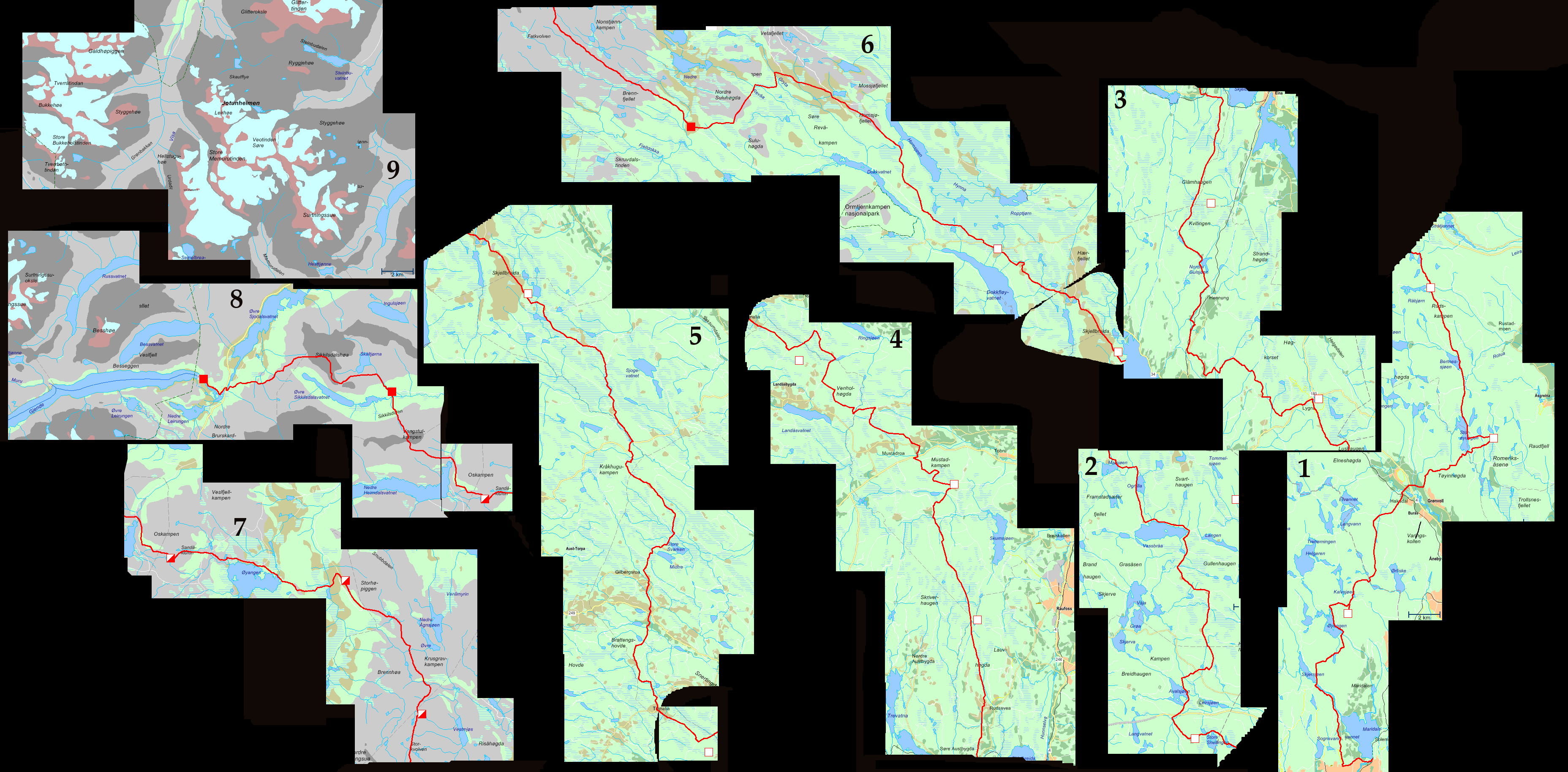
For most famous treks you can buy small booklets that contain just the maps and trail descriptions that you need. If not, you can make one yourself by cutting and pasting map fragments from maps you scan/photograph or find on the Internet. Print your new map with a high-resolution laser printer onto a semilarge (A3) piece of paper. Click on the image below to see an example of a 320km trail map made this way.

A detailed map is probably not something you really need in order to complete your walk. Long walks usually follow good, clearly visible paths. But every time you take a break and sit down, it is a great inspiration to have a glance at a map and see that you're actually getting closer to your destination.

Before you leave home, carefully study the maps you have, so that you understand the area you're hiking through. Look for sources of water and places to camp. Maybe there are sidetrips you should look into. It's impossible to know beforehand exactly how far you can walk per day. You should have several options for where to stop every day, with no more than 2-3 hours of walking between them. This way you can be flexible and get the most out of every day on the trail.

There's also a chance you will have to break off your journey, due to mishaps or simply because you're worn out. You should know where all the "emergency exits" are. Find out where you can leave the trail to return home or to seek help, and make sure that you know where you can fill up on supplies of food and equipment. If it's an option at all, try to figure out where there may be cell phone coverage, in case of emergencies or to acquire the latest weather forecast.


Other tips
I think we've touched upon the most important issues already, but I've suffered from a few things that I hope to help you avoid. #8D)

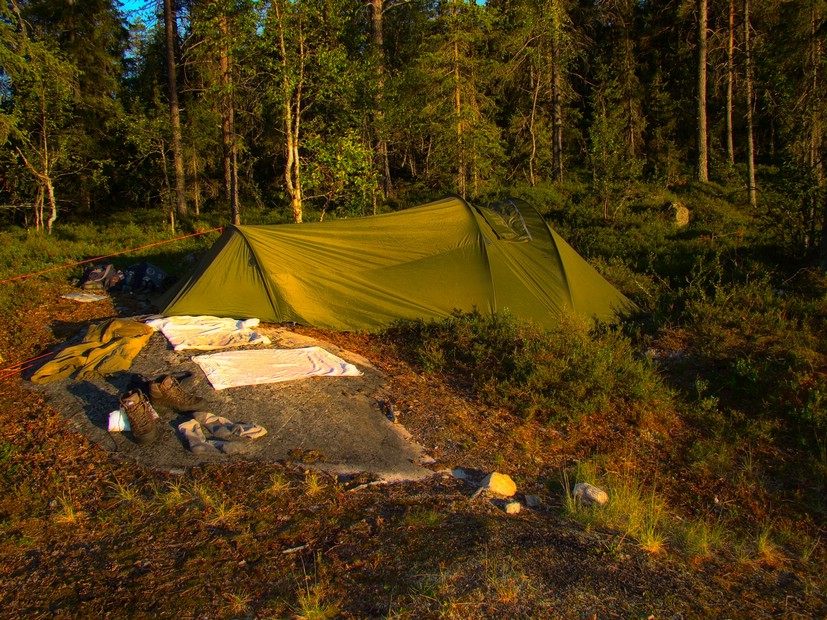
- Make sure you know how to use your equipment before you leave home, whether that be your tent, your stove or anything else. The entertainment value of figuring out exactly which hole the tent poles should be inserted into is not so high when you're simultaneously the target of an intense mosquito attack during the darker part of dusk.

- When you finally have decided on some food you can carry in sufficient amounts in your backpack, you'll probably discover that this trip will not be remembered for its many great meals. You should try living on this diet for a few days at home, so that you can learn how it affects you, both mentally and physically. Especially if you're walking with someone else. Some people turn incredibly grumpy when their daily rations of certain food ingredients disappear.

The food must be your friend on your long walk. You don't have to be delighted by it, but it must not turn you into a walking wreck either.

- Cut your toenails! If you do, you may have some of them left after your hike! While your shoes may be friendly towards the other parts of your feet, having your toenails continuously bump into the front of your shoes for hundreds of kilometres will turn the toenails black and eventually they will fall off. That's not sexy at all.


In Conclusion
You can do this. A little bit of planning is all it takes.

I recommend that you start out with getting used to carrying a fairly heavy backpack and that you spend a few days camping out in the woods near where you live. When you feel ready for something more, consider whether some of the trips listed below may be something for you. Good luck!


Some famous, long walks, in alphabetical order:

* Abel Tasman Coast Track
Location: South Island, New Zealand
Distance: 52km, 3-5 days
Booking: Required, *well* in advance!
More info

* Via Alpina / Alpine Pass Route
Location: Switzerland
Distance: 350km, 20 days
Booking: Not required
More info

* Annapurna Circuit
Location: Himalaya, Central/Eastern Nepal
Distance: 250km + sidetrips, 15-25 days
Booking: No, but trekking permit is required
More info

* Appalachian Trail
Location: Georgia to Maine, USA
Distance: Approximately 3500km
Booking: Not required
More info

* Bibbulmun Track
Location: Western Australia, Australia
Distance: 961km, 6-8 weeks
Booking: Not required at all.
More info

* Camino de Santiago / Way of Saint James
Location: France and Spain
Distance: Many starting points, 100 - 900km,
Booking: Not required.
More info

* Inca Trail
Location: Central Peru
Distance: 45km, 3-4 days (high altitude, not strenuous)
Booking: Very much required.
More info

* Jotunheimstien / Rondanestien
Location: Southern Norway, beginning in Oslo
Distance: 320km-420km, 12-25 days
Booking: Not required.
More info (and more)

* Kungsleden
Location: Northern Sweden
Distance: 440km, 3-4 weeks
Booking: Not required.
More info

* Land's End to John o' Groats
Location: The length of the United Kingdom
Distance: Approximately 1500-1900km
Booking: Not required
More info

* Mount Everest Base Camp Trek
Location: Himalaya, Eastern Nepal
Distance: Depends on starting point, 15 days is normal
Booking: No, but trekking permit is required.
More info

* Overland Track
Location: North-western Tasmania, Australia
Distance: 65-100km, depending on sidetrips, 5-7 days
Booking: Required between November and March.
More info

* Torres del Paine Circuit
Location: Patagonia, Southern Chile
Distance: 100km + sidetrips, 8-10 days
Booking: Only for cabins
More info

Do you need even more options? Look here.

Happy trails!

Thursday, June 18, 2009

I'm turning 30!

Bjørn celebrates 30!At last! I have finished preparing the last batch of photos from my trip to Australia half a year ago. The New South Wales gallery became my 30th photographic travel journal. Click the illustration to the right of this text to see them all.

I'm hoping to reach a 100 before it's time for me to be decomposed, so keep checking back here for more. #8D)

Anyway, I'm happy to be done with that. A couple of days ago I also gave a lecture for lots of mountain hikers here in Oslo, about my 320 kilometres on foot to the mountains of Jotunheimen last summer. It was pretty much a full house, and no one fell asleep! Now, who would have thought that I, the pale child that spent most of the 1980s in front of a Commodore64 home computer while being nagged about going out to get some fresh air, would end up lecturing avid hikers on the joys of the forest? I certainly didn't!

I'm glad it went well, and now that it's done, I have about two months before there's anything at all that I have to do! Yay!

I still don't know how I'll spend my summer. I'm considering the eastern parts of Turkey, so I read a lot about that. The mountains there are high enough that it doesn't matter much that it's "too hot" (whatever that means) down by the sea. But I might as well go to Japan or do another long hike somewhere in Norway. Or I may do something else entirely.

While I ponder upon that, feel free to follow in my foto steps through selected destinations in New South Wales, here.

Up, up and away!
There's something for everyone, I think. At least there is something for those of you who like dense forests, cute bugs and Australian culture and art. (Yes, there is such a thing, and it's only a little bit related to beer!)

Enjoy your summer, you too! #8D)

Sunday, June 7, 2009

On Fernando de Noronha

When a passenger plane tragically crashed into the Atlantic Ocean somewhere between Brazil and West Africa in June 2009, the tropical archipelago of Fernando de Noronha was mentioned in the news all over the world. This seems to have puzzled a lot of people, even seasoned travelers, as the existence of the spectacular Fernando is known by relatively few. Many people went on-line to learn more.
Morro do Pico, 321 metres tall, is the most prominent feature of the islandTens of thousands of you eager travelers and geography nuts out there ended up on my photojournal from the island, and many of you sent me e-mails with all sorts of questions regarding visiting this natural wonder. I figure I'll save myself some time by doing a blog entry on the topic, so that I can refer people to this entry from now on. Keep in mind I visited in 2006. Although Fernando is a timeless place, things may have changed somewhat. Here goes.

Fernando is just a beautiful place to visit. Most of it is a protected maritime national park, so there are lots of restrictions to heed. Playing by the rules doesn't diminish your experiences, in fact the regulations on the island ensure that you will have a wonderful time both on land and in the sea just off the beaches.

First, regarding getting there, this is one of few places in Brazil where you have to plan ahead when you want to visit. If you have your own sailboat or your own plane, you can just go. If not, you have to book a flight. There aren't that many planes to choose from, and the seats on them fill quickly.

It appears that there are now three daily flights you can get on from the mainland. Varig flies from São Paulo and Trip Linhas Aéreas flies from Recife and Natal. None of these are cheap flights, and I did a few price searches on random dates in 2009 now in June. It seems that from São Paulo you can expect to pay between 2000 and 3500 reals roundtrip, and from Natal it may cost between 800 and 1200 reals. So spending a day and a night on the bus from São Paulo to Natal may save you some money!

You don't have to book accommodation in advance. There are literally a hundred options on the island, and since there are fewer flight seats available than beds, you'll find a place to stay when you get there.
Fernando seen from north-west. The airport is visible, and the village of Vila dos Remedios is hiding behind the pointy peakNow, the first thing that happens when you arrive on Fernando is that you have to pay a conservation tax. They don't want people to stay too long (or explore too much, I guess), so a short visit is fairly cheap, while a long stay is just crazy expensive. Four days cost about 150 reals, staying a month carries a conservation tax of roughly 3000 reals! This can be prepaid on-line.

After having cleared the tax booth, you will be met by many people shoving brochures into your hands, eager to book you into accommodation and into activities. Now is a good time to look at your options, compare them and do a bit of haggling regarding accommodation. Save the activities booking for later, you'll probably get a good deal on that by booking through the owner of your accommodation.

Fernando is a small island, so you can stay pretty much anywhere and still be close to everything. However, if you want to be able to go out and eat and drink in the evenings, which you can do in the town centre, ask about walking distance from the accommodation offered to Vila dos Remedios, which is the centre. (It's pitch dark many places at night, so do bring a torch if you're planning on walking anywhere after sunset.)
At night, Fernando is mostly dark all overThere are all sorts of accommodation available, from really nice (and expensive) hotels that would be considered small anywhere else, to just a room or a cabin in the back of somebody's house. In my opinion, all you SHOULD do there is to sleep, so it doesn't matter much what facilities are available.

You'll probably be taken to your accommodation by the host you choose, but you can also get on the bus without accommodation and look around on your own. There's a bus leaving every 30 minutes or so, and it covers the whole island. It takes about ten minutes. #8D) The ticket costs just a few reals.
The church and town hall in the centre of Vila dos RemediosWhen you're settled, look through the brochures you received at the airport or get your fix of it from the reception/owner where you're staying. Most likely the best deal is to buy a 2 or 3 day packet of activities. Several companies offer these, and although they offer different prices, the tours are exactly the same. Even if you request tours with an English-speaking guide, don't expect there to actually be one. Don't worry. You'll be fine and see great things nevertheless!

A multi-day tour just means you'll be picked up to do activities and then be dropped off where you choose afterwards. The time between the activities you choose how to spend as you please. A three day tour typically contains the following:

* A boat trip along the north coast. You'll see dolphins and a beautiful view of the island. There's a real risk you may get seasick, so this is the one activity I don't recommend to everyone. You can have great, similar views just from walking the beaches and cliffs instead.
Dolphins playing just in front of a boat, like they often do* The option to "aquasub", either as a separate thing or as part of the previously mentioned boat trip. What this means is that you'll wear snorkelling gear and hang onto a wing-like board behind the boat. It's like an inverted water-skiing thing. The boat moves at a comfortable velocity, so by pointing the "wing" downwards and upwards, you'll descend or ascend in the water. If the water is clear, and it often is, you'll have a good chance of seeing big fish, sharks, dolphins, large turtles and more. But you'll not have option to stop and look closer at anything, and you may find it difficult to equalize the pressure in your ears while you hang onto the board, so you may not go very deep... I find normal snorkeling on most of the beaches on the island was much nicer than the aquasubbing.
Praia de Atalaia* A visit to Atalaia beach. It's a most pristine place on the island, a tidal pool on a beach, in which there is LOTS of great and colourful sealife to see. They only let about a hundred people go in per day, in groups of 25 people each and for 30 minutes only. You are NOT allowed in the water if you have put any sunscreen on. Wear a t-shirt instead to protect yourself against the intense sun.
Beautiful hiking trails* A walk along the sea around Morro do Frances, an area that is off-limits to anyone without an official guide. It's just a beautiful walk, and the guides can usually tell you a lot of interesting facts about what you see.

* A walk through the town centre, where you'll be told the story of the island. It can be fairly interesting, but unless you're able to communicate well with the guide, there's no point in doing it.

You can save quite a bit by buying a package instead of booking everything separately. I'm pretty sure they'll be happy to let you spread your activities across more than three days if that suits your plans better. It's just that most people seem to spend only three days (an extended weekend) on the island, so the packages are tailored to that.

There's also great fishing diving to be done from Fernando, of course. There are several companies offering all kinds of that, so just ask around when you get there.

If you want to explore on your own, you certainly can! Just check with the tourist office where you're not allowed to go, and stay away from there! You can leave your stuff on any beach, it will be there when you return. Anyone caught stealing anything on Fernando will be expelled from the island!

A few things you might want to do:

* Get up reeeeeally early in the morning and head for Baía dos Golfinhos. Around sunrise, hundreds of dolphins play and have their breakfast there before they head out into the ocean to hunt throughout the day.
Praia do Léao, great snorkeling between the islands there* Go to Praia do Léao and enjoy the beach. Just walk as far as you need to have the whole world to yourself. Midway along the beach you'll pass a small island near land. I highly recommend the snorkeling in the stretch between the islands! If you're a good swimmer, you may also want to snorkel around the small island, but be aware of strong currents! There's an excellent chance of seeing sharks there. There has NEVER been recorded any shark attack on Fernando.

* Walk to the north-eastern end of the island. There's a cute little chapel there, some ruins and lots of colourful crabs on and under the rocks on the rough beach.
Sancho Beach. Amazing.* Hike the north coast. The trail beneath Morro do Pico, the potent highest peak of the island, may have a sign that says the path is closed. Ignore that. If you're used to hiking, you'll be able to make your way through. There's a seemingly never-ending string of world-class beaches to be discovered as you make your way westwards from Vila dos Remedios. You'll be all alone on some of them.

* Enjoy a night out in the town centre. There's an excellent outdoor pizza place near the church, and there's a pleasant bar just next door, sometimes with live music. Just don't stay up too late, you DO want to make the most of your days on Fernando!

I think that'll do for now. Feel free to ask me questions in the comments, so that I can add more details or facts.

Another good source for updated and good official information regarding Fernando de Noronha is http://www.noronha.pe.gov.br (although it's mainly in Portuguese... An English version with less information may or may not be found here.)

If you spot any false information here, please notify me by commenting. I'll be happy to adjust my text. #8D)

Happy trails!

Thursday, May 21, 2009

Azorted selection of photos

It is done. I've gone through all the photos I took on São Miguel in the Azores. Most of them went in the bin, but those who made it through to the final can be found here.


As I visited only for a week, I am in no position to judge the Azores as a destination. Still, I have to say that I'd rather go back to Madeira for the third time than return to the Azores.

If you're planning on spending your vacation hiking, São Miguel can be a good choice. Early in the morning there are buses to every corner of the island from the main town, Ponta Delgada. Walk around there and return on the afternoon bus, or simply walk back to Ponta Delgada. The island is small enough that if you're a keen hiker, you can do that. Bring food for the whole day, as there are not many shops in the rural parts of the island.

Although São Miguel keep tempting you to walk around everywhere, you'll be better off staying on the country roads. There are few fences to see, but that's just because the Azoreans have perfected the art of planting thorny bushes to separate between the different meadows that the lucky local cows graze upon. I used all the band-aids I brought, to put it that way.

Apart from that, it was a nice trip! See photos for further comments. #8D)

Saturday, May 2, 2009

Back from the A.Z.O.R

I spent a week on São Miguel, the largest island of the Azores, a Portuguese (yet sort of autonomous) archipelago in the Atlantic Ocean. Nice enough, but I would probably go back to Madeira a few times before I would choose to return to the Azores.


Anyway, it was nice enough. Except I really found use for all the clothes I had brought. All of them simultaneously, in fact. It's a fairly cold place. Which was good, as it meant that returning to Norway was a pleasant experience, climate-wise. #8D)

I found a decent place to stay in the old town in the island's "capital". Ponta Delgada a typical colonial town, with streets not built for car traffic, yet accommodating a lot of it. The sidewalks are on average just 25 centimetres wide/narrow, so walking around there is a Darwinian game of "Survival of the slimmest". You can leave your iPod at home, as you really need to hear any vehicle that may sneak up on you from behind, or it's game over for you.

If you're thinking of spending your honeymoon there, rethink! If that doesn't help, you'll be interested to know there's a hotel on the island catering especially for you. "Plus four square metres of bed to remember together for a life time!", they offer. It may not sound like much, but the island is so small that having more than four square metres to enjoy yourselves on is quite a treat!

If you plan on leaving your bed and the room, be aware of the need to bring warm clothing. Or you may end up like a guy on a bus I got on. He was almost kicked off the bus for repeatedly pressing the "STOP" button overhead, in a vain and desperate (unsuccessful) attempt at stopping the air conditioning that was harassing him.

My days were spent walking the island from end to end. There's a lot of greenery to see, some volcanic rocks, charming villages and ferocious dogs guarding every little herd of cows. And there are MANY cows on this island.

I'll get back to you with photos eventually.

Bjørn

Wednesday, April 22, 2009

Cote d'Azor

Right, so after a LOT of work with my photos, I'm just ready for a break without computers. The most backward part of Europe I could get a cheap ticket for on short notice turned out to be the Azores, a slightly unfortunately named archipelago in the North Atlantic Ocean.

(This photo happens to be from Madeira, which is same same, but different.)

I'll just be hiking and taking more photos (*sigh*, more photo editing coming up) and getting rid of a couple of kilograms of fresh Easter chocolate attachments to my body.

Rumour has it that the rest of the island will be dominated by elderly people and flower lovers, so I'm pretty sure you shouldn't envy me too much. On the other hand, my only alternative was Mallorca, so I'm really looking forward to this, relatively speaking.

So, I'll probably report back in a week or so, telling you all how pleasantly surprised I was by what I found in the middle of the ocean.

Enjoy your spring!

B.

Sunday, April 12, 2009

Around The Female Moustache

Hah! That's me getting back at all Australians for making fun of me when I didn't immediately understand that a noah is another word for "shark", because noah comes from Noah's Ark, which rhymes with shark. Anyway, "female moustache" is what you get if you translate "Hobart" to Norwegian. So there you have it.

Anyway, readers of this blog may recall that in December I went to Tasmania to see how many blisters I could cover my feet in just by hiking in the national parks there. It was a great success, and I have now put up a gallery with photos from my expedition.


What I found was square-shaped wombatshit, ice cubes on the beach (which turned out to be still potent fragments of stinging jellyfish crushed by the waves), wooden highways across the mountain plains, robots emptying the trash and a summery blizzard. Foreign parts is a strange place!

You can find the photos at the end of the rainbow, and here.

In related news, I'm fine and enjoying the Easter break in a fairly nice and warm Norway. There are just a thousand or so photos left to mess with (from New South Wales), after which I'll hopefully be free to move on with my life. For reasons I cannot fully explain, I have just 60 days of work left to do this year. This means I shall have to find a new project fairly soon.

It probably won't be a trip to Ibiza.

Many thanks to Tasmania for your cooperation!

Bjørn #8D)